
After months of preparation, training sessions and international webinars, the moment finally came: YoungMinds has reached the classroom! 🎉
From March to September 2026, teachers in Croatia, Greece, Lithuania and Portugal implemented the first round of the YoungMinds lesson plans. Developed through the Lessons for YoungMinders! Handbook, these film-based lessons are designed to help young people talk openly about mental health, understand their emotions and develop empathy towards others.
By bringing European films into the classroom, the project is creating opportunities for students to explore sensitive topics, share perspectives and discover new ways to approach mental health and well-being.
🎞️ How does it work?
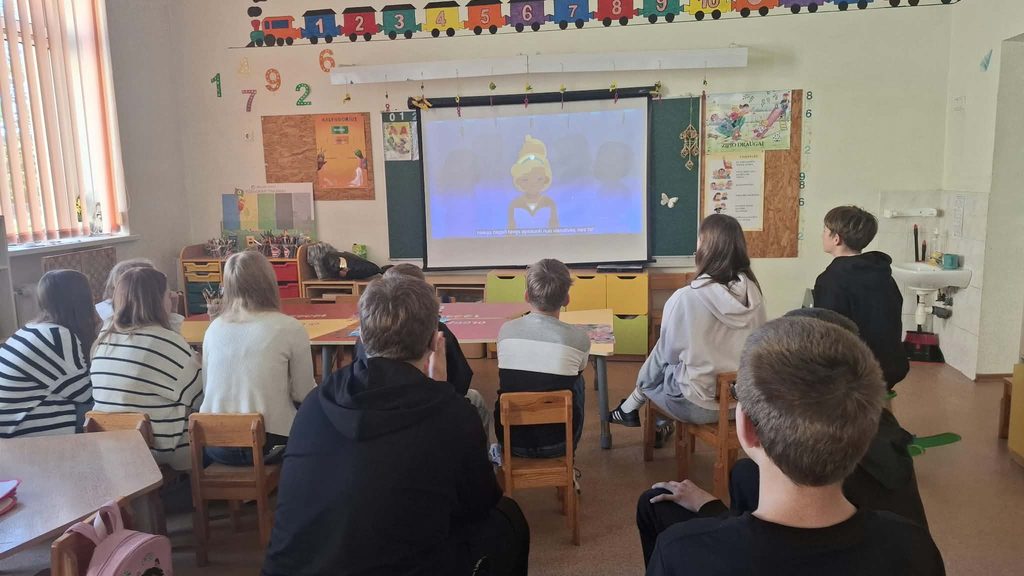
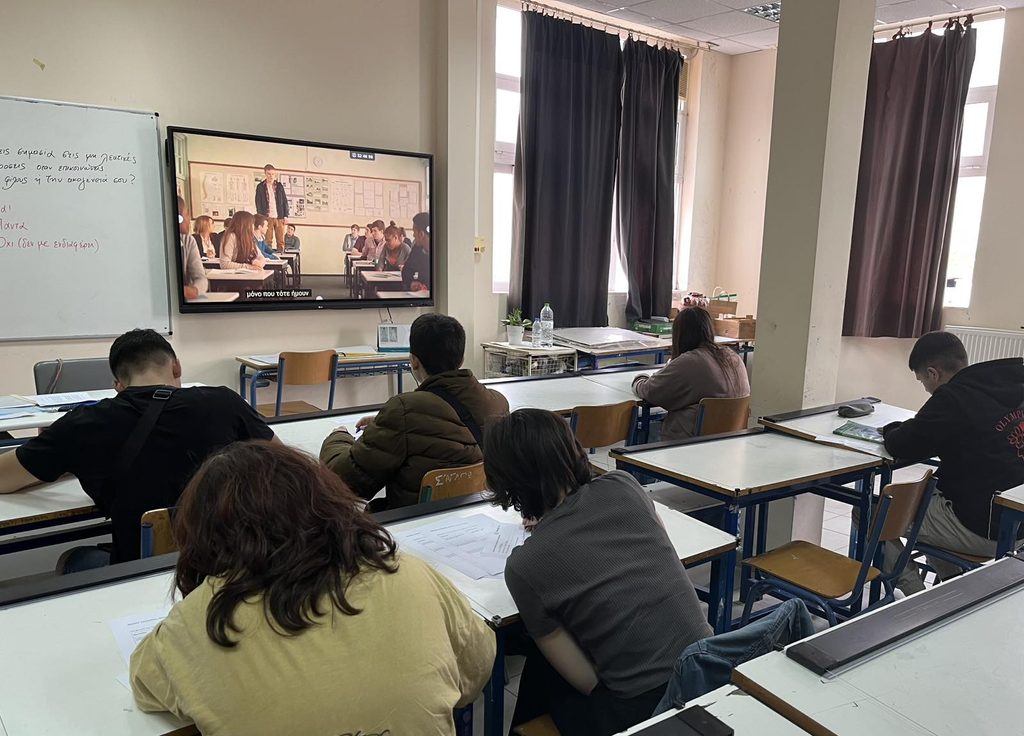
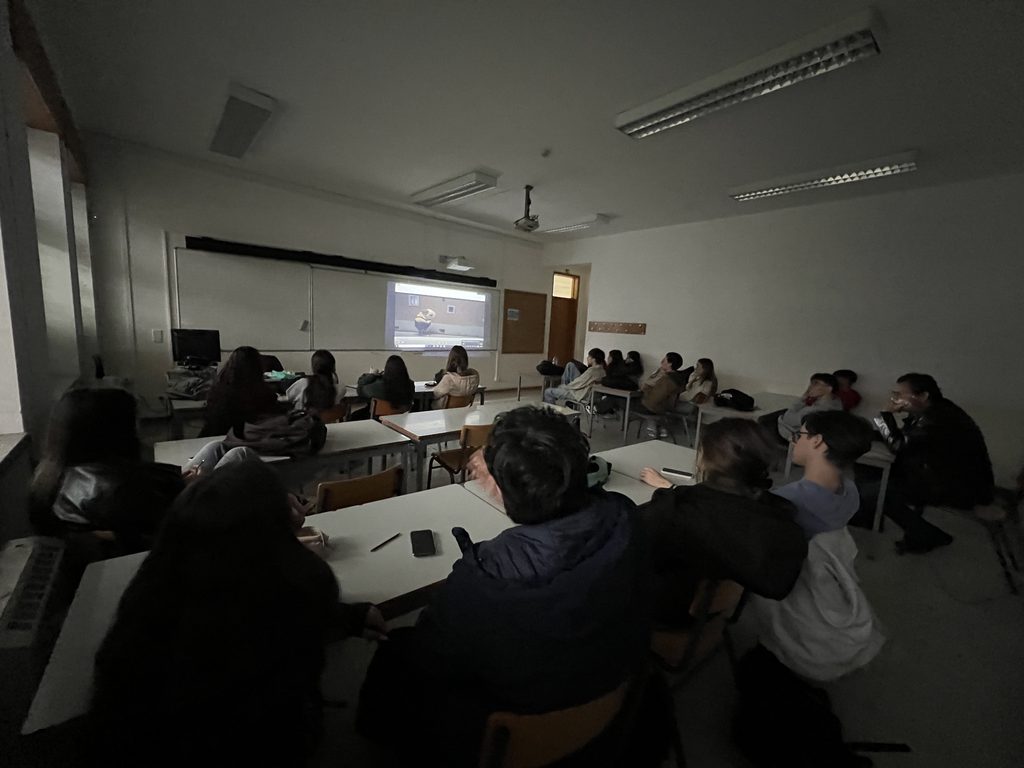
Each lesson starts with a short European film. The story on screen becomes a safe starting point: students reflect on the characters, recognise emotions and connect what they have seen with their own lives through group discussions, worksheets, role-play and creative activities.
During this first round, students explored a wide range of topics, including:
- 😰 Stress and anxiety: Stress Bucket, Breaking the Silence, But Milk Is Important and In Between
- 💔 Loneliness and belonging: Alone Together and Opening Up
- 🪞 Self-esteem and identity: Mirrors and Phoenix
- 🌧️ Depression and resilience: Fallin’ Floyd, The Stand Up Kid and My Troubled Mind – Chloe’s Story
- 🧩 Neurodiversity and inclusion: The Sound of Mine
Through these activities, students are encouraged to reflect on their experiences, recognise the challenges faced by others and approach mental health with greater openness and understanding.
🌍 What happened around Europe?
Greece: Hundreds of students engaging with mental health
The Greek implementation involved students from four schools, with the latest school-level figures reporting the following participation:
- EPAL Korydallou: 195 students
- 1st General High School of Korydallos: 134 students
- 1st EPAL of Piraeus: 82 students
- 4th EPAL of Piraeus: 108 students
The latest figures provided by the Greek partners indicate 524 students in total.
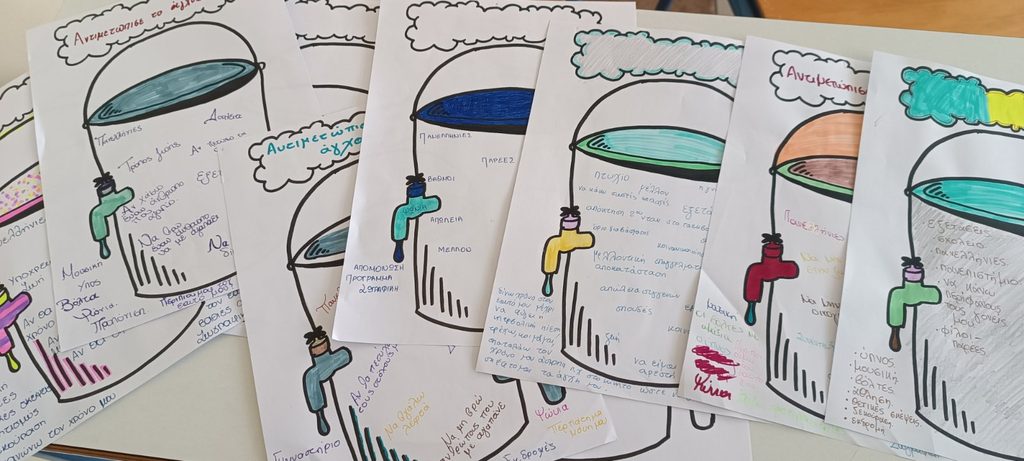
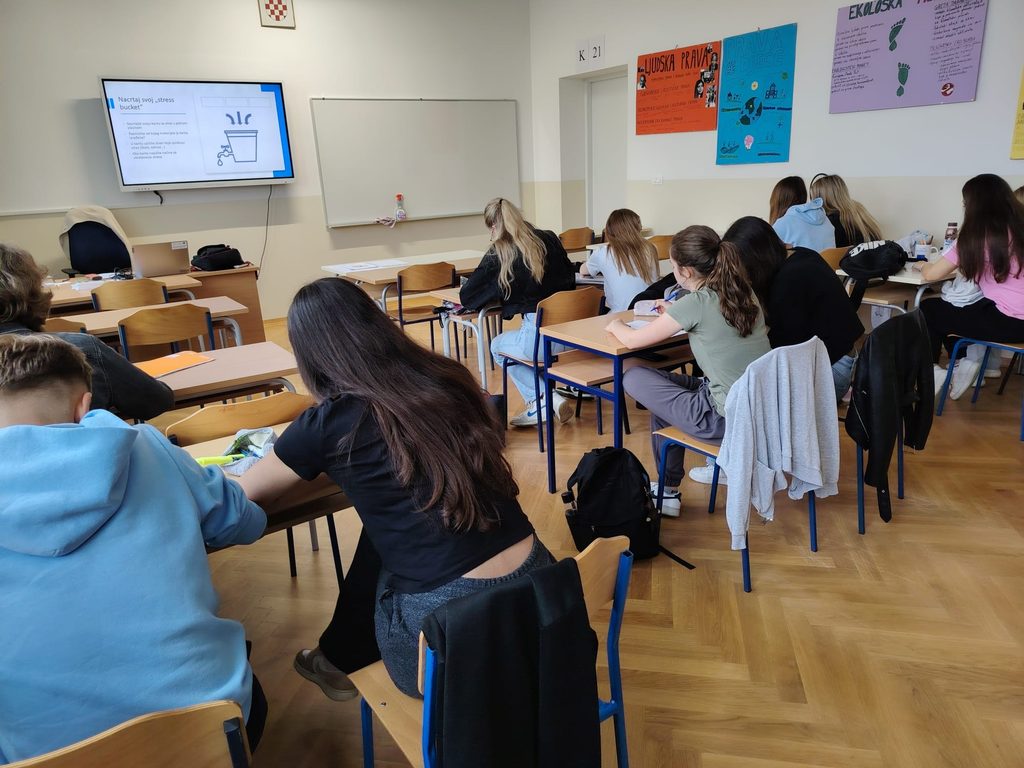
Students explored mental health through film-based lessons and creative classroom activities. Using the emotion wheel, they learned to identify and name their feelings, while the Stress Bucket activity helped them recognise sources of stress and reflect on coping strategies. With national exams approaching, stress was particularly relevant to their everyday lives.
During the Mirrors lesson, students wrote kind messages to themselves on a “self-esteem mirror”, encouraging positive self-perception. One class went a step further and committed to a weekly #asktwice challenge: identifying someone who might need support and asking twice, “Are you really OK?”
Students also took part in filmmaking sessions, developing story ideas and storyboards to explore how audiovisual storytelling can help communicate mental health experiences.
Portugal: From classroom discussions to filmmaking
In Portugal, 12 teachers and 127 students participated in 18 sessions across the Terras de Bouro School Cluster and Rio Caldo Basic School.
Students from 9th to 12th grade explored anxiety and depression, social phobia, autism, self-image and identity, connecting the themes addressed in the films with their own experiences and perspectives.
In June, the implementation concluded on a high note, with 67 students taking part in filmmaking workshops 🎥. They learned the basics of audiovisual creation and explored how to produce short films about mental health, turning reflection into creative expression.
The momentum continued in June with Portugal’s first Mental Health on Screen event in Terras de Bouro, which brought together 108 participants to promote awareness and open conversations about mental health.
Lithuania: 143 students exploring mental health through film
In Lithuania, 143 students participated across two schools, with eight lesson plans implemented at each institution.
- Akademija Gymnasium: 8 lesson plans implemented, involving 69 students.
- Dotnuva Basic School: 8 lesson plans implemented, involving 74 students.
Students aged 13 to 19 explored different types of anxiety, loneliness and alienation, addiction, neurodiversity and stress management.
Some lessons were connected to activities marking World Mental Health Day, providing additional opportunities for students to reflect on their well-being. Worksheets and group discussions helped them engage with the topics, share their perspectives and consider different ways of understanding and managing difficult emotions.
Croatia: Building resilience, empathy and openness
In Croatia, 8 teachers and 186 students participated across PGŠ Zadar and Srednja škola Viktorovac.
Students explored stress and resilience, social anxiety disorder and loneliness, discussing the challenges they may encounter in their everyday lives and identifying ways to cope with difficult situations.
Teachers described students as “highly motivated”. They proposed their own strategies for managing stress and engaged in lively discussions with teachers and classmates.
These experiences highlighted the value of using film as a starting point for meaningful conversations, helping students approach sensitive subjects in a supportive classroom environment.
💬 In their own words
The feedback shared by teachers illustrates what can happen when a film breaks the ice and makes space for an open conversation:
“You don’t have to be an expert to help, just be there and listen.”
“Mental health is not a taboo; it is part of our overall health.”
“Taking care of oneself is the first step to mental health and well-being.”
Through the lessons, students reflected on how loneliness is a biological signal, not a personal failure, how hidden feelings may also be experienced by people around them, and how recognising their own strengths can help them navigate difficult moments.
Teachers observed greater empathy, openness and acceptance, alongside a supportive and collaborative classroom atmosphere.
The implementation also showed that opening up about mental health takes time. In some classes, students initially hesitated to share personal experiences. However, conversations became easier when teachers shared their own stories, helping build trust and encouraging students to participate. 🤝
These experiences reinforce an important message at the heart of YoungMinds: creating safe spaces for discussion is essential to helping young people feel heard, understood and supported.
🚀 What’s next?
The first round of implementation marks an important milestone for YoungMinds, bringing the project’s educational resources into real classroom settings and demonstrating how film can support mental health education.
But this is only the beginning! Students are now moving towards the next creative stage: producing their own short films about mental health. These films will offer young people another way to express their perspectives, share stories and raise awareness of issues that matter to them.
More Mental Health on Screen events will also help bring these conversations beyond the classroom and into families and local communities.
Stay tuned to our website, Facebook and Instagram to follow the next steps of YoungMinds! 🍿
#YoungMinds #MentalHealthMatters #ErasmusPlus #MentalHealthOnScreen #FilmInEducation


